



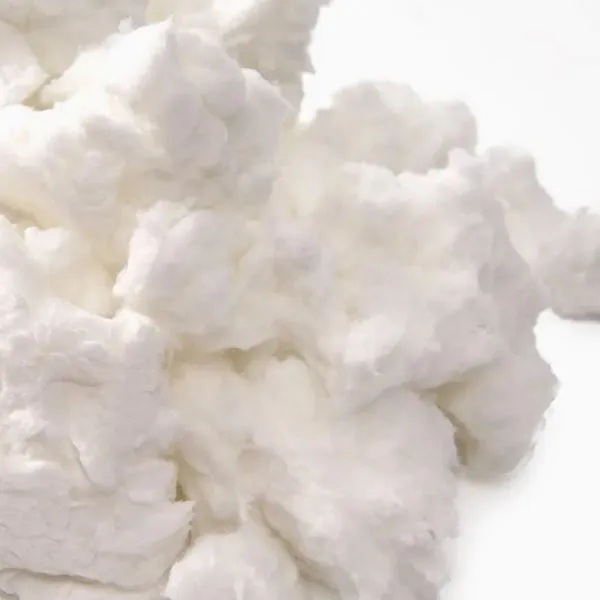

Lightweight High-Temperature Refractory Ceramic Fiber Bulk
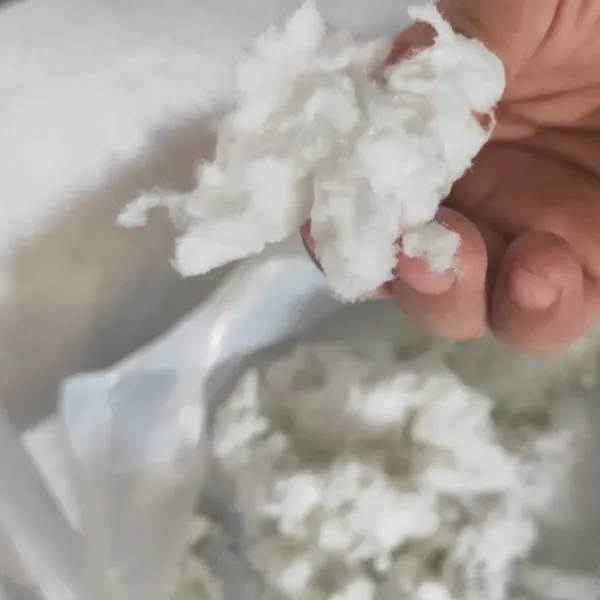
Lightweight High-Temperature Refractory Ceramic Fiber Bulk suppliers
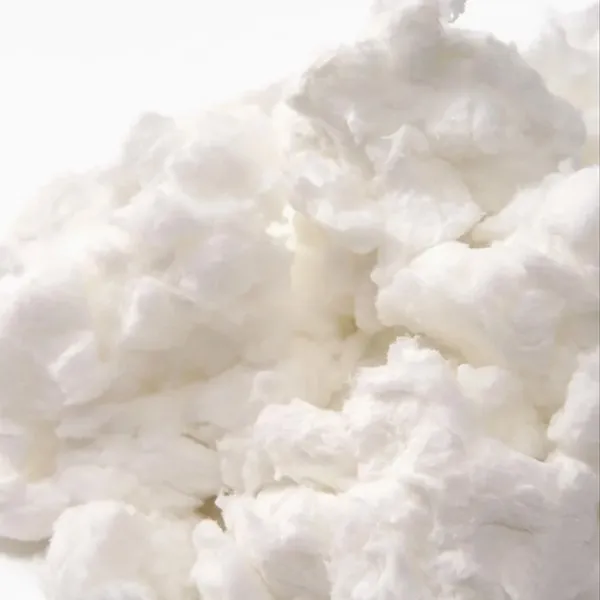
Lightweight High-Temperature Refractory Ceramic Fiber Bulk factory
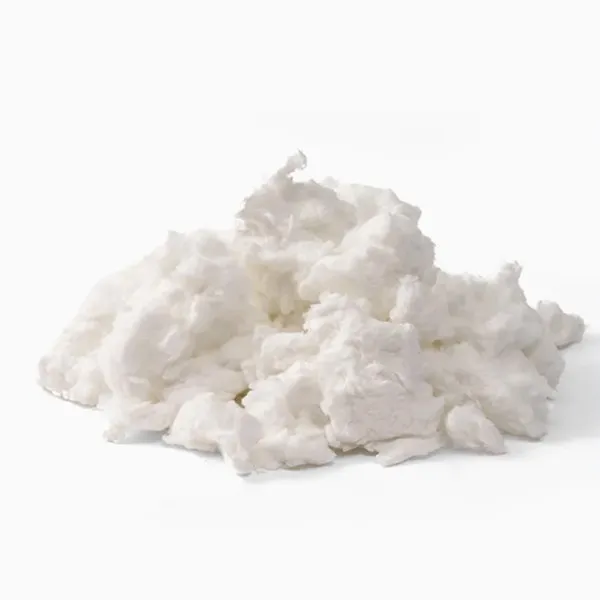
Lightweight High-Temperature Refractory Ceramic Fiber Bulk best
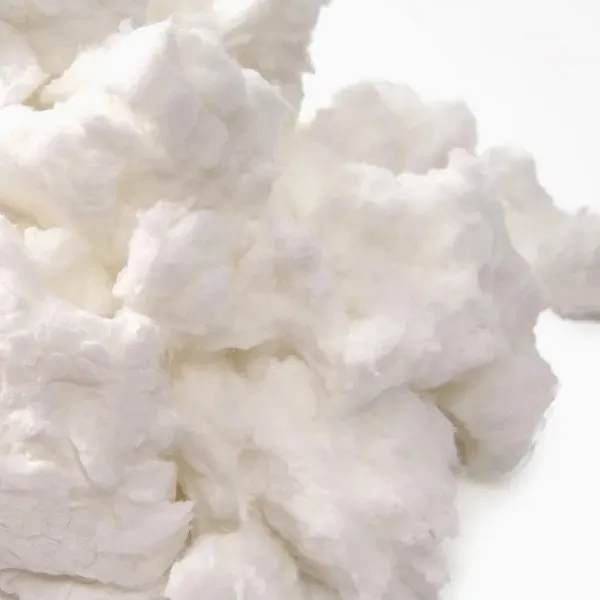
Lightweight High-Temperature Refractory Ceramic Fiber Bulk high quality
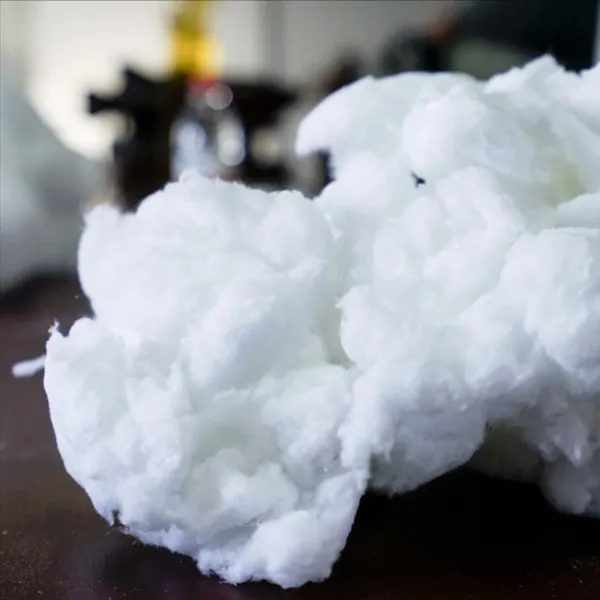
Lightweight High-Temperature Refractory Ceramic Fiber Bulk price
Lightweight High-Temperature Refractory Ceramic Fiber Bulk
Product Overview
Lightweight High-Temperature Refractory Ceramic Fiber Bulk offers exceptional high-temperature resistance, low thermal conductivity, excellent thermal shock resistance, and outstanding chemical stability. It serves as a fundamental material in modern industrial kiln insulation, fire protection, and energy conservation.
This versatile material can be used as a base raw material to produce various formed products-such as boards, blankets, and modules-or applied directly as high-temperature gap filler, insulation for movable equipment, and targeted filling in specialized areas.
Key Features
High-Temperature Resistance: Suitable for long-term use at temperatures ranging from 1050°C to 1430°C, depending on the type.
Low Thermal Conductivity: Effectively reduces heat loss and improves thermal efficiency of kilns and furnaces.
Excellent Chemical Stability: Resists oxidation and corrosion from most acids and alkalis.
Superior Thermal Shock Resistance: Withstands rapid cooling or heating without cracking or pulverization.
Soft and Compressible: Ideal for filling complex or irregular spaces.
Low Heat Capacity: Enables fast heat-up times and reduces energy consumption.
Eco-Friendly: Asbestos-free, non-toxic, and compliant with RoHS standards.
High Process Compatibility: Can be used in vacuum forming, wet molding, spraying, pressing, and other industrial processes.
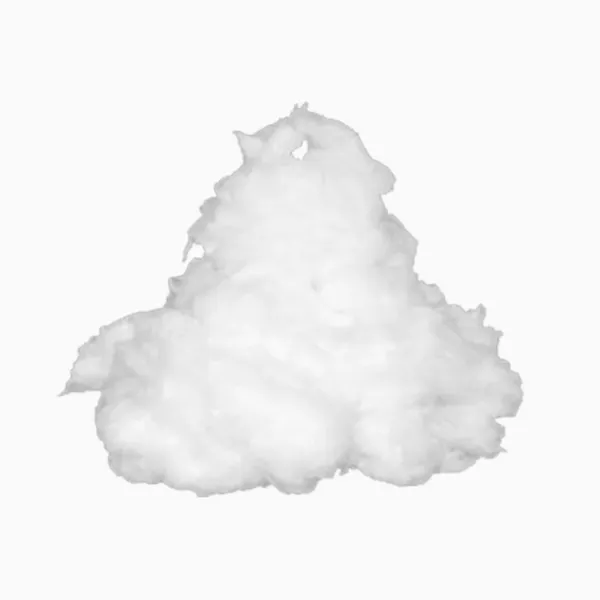
Technical Parameters
|
Item |
STD |
HP |
HA |
ZA |
HTZ |
||
|
Classification Temp (℃) |
1260 (2300F) |
1260 (2300F) |
1360 (2480F) |
1360 (2480F) |
1430 (2600F) |
||
|
Working Temp (℃) |
≤1050 |
≤1100 |
≤1200 |
≤1200 |
≤1350 |
||
|
Color |
Pure White |
Pure White |
Pure White |
Pure White |
Pure White |
||
|
Thermal Conductivity (w/m.k) |
400C |
0.095 |
0.095 |
0.114 |
0.114 |
0.122 |
|
|
500C |
0.123 |
0.123 |
0.135 |
0.135 |
0.153 |
||
|
600C |
0.158 |
0.158 |
0.191 |
0.191 |
0.184 |
||
|
Permanent Linear change (%) |
1000℃X24h≤ -3 |
1100℃X24h≤ -3 |
1200℃X24h≤ -3 |
1350℃X24h≤ -3 |
|||
|
Chemical Composition (%) |
AL2O3 |
45-46 |
47-49 |
52-55 |
45-46 |
39-40 |
|
|
AL2O3+SIO2 |
97 |
99 |
99 |
- |
- |
||
|
AL2O3+SIO2+ZrO2 |
- |
- |
- |
99 |
99 |
||
|
ZrO2 |
- |
- |
- |
5-7 |
15-17 |
||
|
Fe2O3 |
≤1.0 |
≤0.2 |
≤0.2 |
≤0.2 |
≤0.2 |
||
|
Na2O+K2O |
≤0.5 |
≤0.2 |
≤0.2 |
≤0.2 |
≤0.2 |
||
|
Package |
Plastic weaving bag and cartons |
||||||
|
Certificate |
CE,ISO9001-2008; ISO14001-2004,SGS, ROHS,SASO, REACH |
||||||
Production Process and Classification
Based on different production techniques, ceramic fiber bulk is categorized into the following types:
(1)Spun Ceramic Fiber Cotton
Produced by centrifugal spinning of molten material, resulting in longer and more flexible fibers. Ideal for manufacturing modules, boards, blankets, and other formed products.
(2)Blown Ceramic Fiber Cotton
Formed by blowing molten material with high-pressure air into fine, highly soft fibers. Suitable for vacuum forming and high-precision insulation components.
(3)Bio-Soluble Ceramic Fiber Cotton
Made with a specialized formula that allows gradual bio-dissolution in the human body, offering enhanced safety and environmental friendliness. Recommended for use in construction, fire protection, and safety applications where health considerations are critical.
Product Applications
Ceramic fiber cotton is widely used across various high-temperature industries, including:
✅ Gap filling and cavity insulation in industrial kilns
✅ Flexible insulating linings for high-temperature equipment
✅ Fire-resistant sealing around furnace doors, sight glasses, and valves
✅ Wrap-around insulation for high-temperature pipes and containers
✅ Raw material for shaped ceramic fiber products (e.g., vacuum-formed parts)
✅ Base material for sprayed insulation coatings
✅ High-temperature filling in laboratories and electric heating equipment
✅ Thermal insulation in glass, steel, metallurgical, and other thermal industrial applications
Packaging, Storage & Transportation
(1)Packaging Methods:
Double-layer PE plastic bag, outer woven bag or carton
Standard weights: 10kg, 15kg, or 20kg per bag (customizable)
Available in ton bags, compressed bales, or vacuum packaging (suitable for export)
(2)Storage Guidelines:
Store in a dry, ventilated warehouse in sealed condition
Protect from rain, moisture, acid/alkali exposure, and heavy compression
Recommended storage period: up to 12 months for optimal performance
Selection Recommendations
|
Operating Temperature (℃) |
Recommended product types |
Application Examples |
|
≤1000 |
Ordinary type/ high purity type |
Industrial furnace gap filling, backing insulation layer |
|
1000–1200 |
High aluminum type |
Soft insulation structure for petrochemical and metallurgical equipment |
|
1200–1350 |
Zirconium-containing type |
High temperature smelting, heating furnace, ceramic firing area |
|
≤1100 |
Bio-soluble |
Ships, building insulation layers, and places where human body comes into contact |

Typical Application Cases
✅ Case 1: Converter Door Filling in a Steel Plant in Shandong
Requirement: Withstand temperatures ≥1200°C, high thermal insulation, frequent long-term operation.
Solution: Zirconia-enhanced spun ceramic fiber cotton packed in stainless steel mesh bags.
Result: Temperature around the door reduced by 60°C, significantly improved insulation, service life reached 18 months.
✅ Case 2: Kiln Gap Repair in a Ceramic Factory in Vietnam
Requirement: Rapid repair of structural gaps in the furnace chamber with easy and durable filling.
Solution: Blown ceramic fiber cotton manually compacted into high-temperature gaps.
Result: Repair completed within 24 hours, equipment restart time shortened by 3 days.
FAQ
Q1: Is ceramic fiber cotton classified as hazardous? Are there transport restrictions?
A1: It is non-hazardous, odorless, and non-toxic. It can be transported as general industrial goods but should be protected from moisture and crushing.
Q2: Can test reports and MSDS be provided?
A2: Yes. We provide routine factory test reports, MSDS (in Chinese/English), RoHS compliance statements, and other documentation.
Q3: Is the cotton prone to pulverization? What is its service life?
A3: Spun ceramic fiber offers higher toughness and resists pulverization. Service life exceeds 2 years in typical filling applications and over 5 years in vacuum-formed products.
Q4: Compared to ceramic fiber blankets/modules, where is ceramic fiber cotton especially suitable?
A4: It is ideal for insulating or repairing complex structures, irregular shapes, movable parts, and areas subject to deformation.
Q5: Can packaging be customized to client requirements?
A5: Absolutely. We support custom packaging including compressed bales, ton bags, 20kg special packaging, and labeled export-standard packaging.
Services & Support
✅ Free sample requests
✅ Product selection advice and usage guidance
✅ Custom solutions: compatible with ceramic fiber modules, boards, paper, blankets, and shaped parts
✅ Inventory assurance and special pricing for long-term partners
✅ Export and OEM services supported, including certificates of origin and compliance documentation
Ceramic fiber cotton is a fundamental refractory insulation material widely used in high-temperature industries such as metallurgy, power generation, kilns, petrochemicals, building materials, and aerospace. Its unique structure and properties make it essential for reducing heat loss, enhancing fire protection, ensuring thermal insulation, and supporting environmental safety.
We supply various types and packaging formats of ceramic fiber cotton, offer customization, technical support, and long-term supply partnerships. For detailed technical data, free samples, or bulk purchase plans, please contact our professional team.
Hot Tags: lightweight high-temperature refractory ceramic fiber bulk, China lightweight high-temperature refractory ceramic fiber bulk manufacturers, factory
You Might Also Like
Send Inquiry