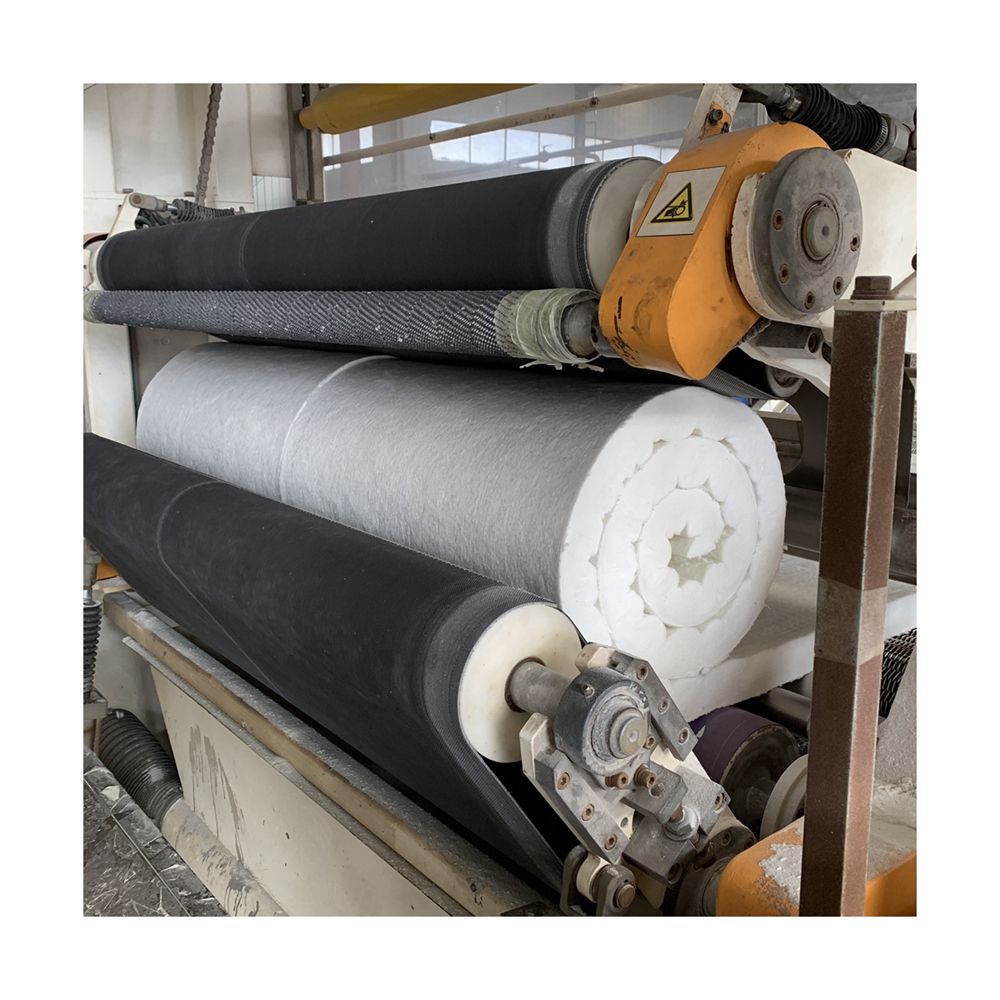

The production process of soluble fiber is a complex and delicate process, which mainly covers three key links: polymerization, spinning and post-processing.
In the polymerization stage, this is the basis for the production of soluble fibers. It is necessary to carefully select suitable monomers and strictly control the reaction conditions, including temperature, pressure and catalyst concentration. Through the precise control of these parameters, the molecular weight and uniformity of the polymer can be significantly improved, laying the foundation for the subsequent production of soluble fibers with excellent performance.
Spinning technology, as the core technology in the production of soluble fibers, includes melt spinning, solution spinning and dry-jet wet spinning. Melt spinning is suitable for thermoplastic polymers such as polylactic acid. The polymer is first heated and melted, and then extruded and cooled through a spinneret to form fibers. Solution spinning is suitable for soluble polymers such as polycaprolactone. The polymer is dissolved in a solvent, extruded through a spinneret, and the solvent evaporates to form fibers. Dry-jet wet spinning technology combines the advantages of melt spinning and solution spinning and can be applied to a variety of polymers.
The post-processing process is also crucial, and includes stretching, heat setting, washing, drying and other steps. Stretching can improve the mechanical properties and crystallinity of the fiber, heat setting can stabilize the fiber structure, and washing and drying are used to remove impurities and solvents. With the advancement of technology, new post-processing technologies such as microwave heating and ultrasonic treatment have also been applied, which greatly improves the quality of soluble fibers and reduces production costs.
After these rigorous process flows, the soluble fibers finally produced can reach a solubility of 100-250mg/L after being soaked in a slightly alkaline solution with a pH value of 7.3-7.5 and a temperature of 37±0.5℃ for 24 hours, showing unique performance advantages.